

Year:
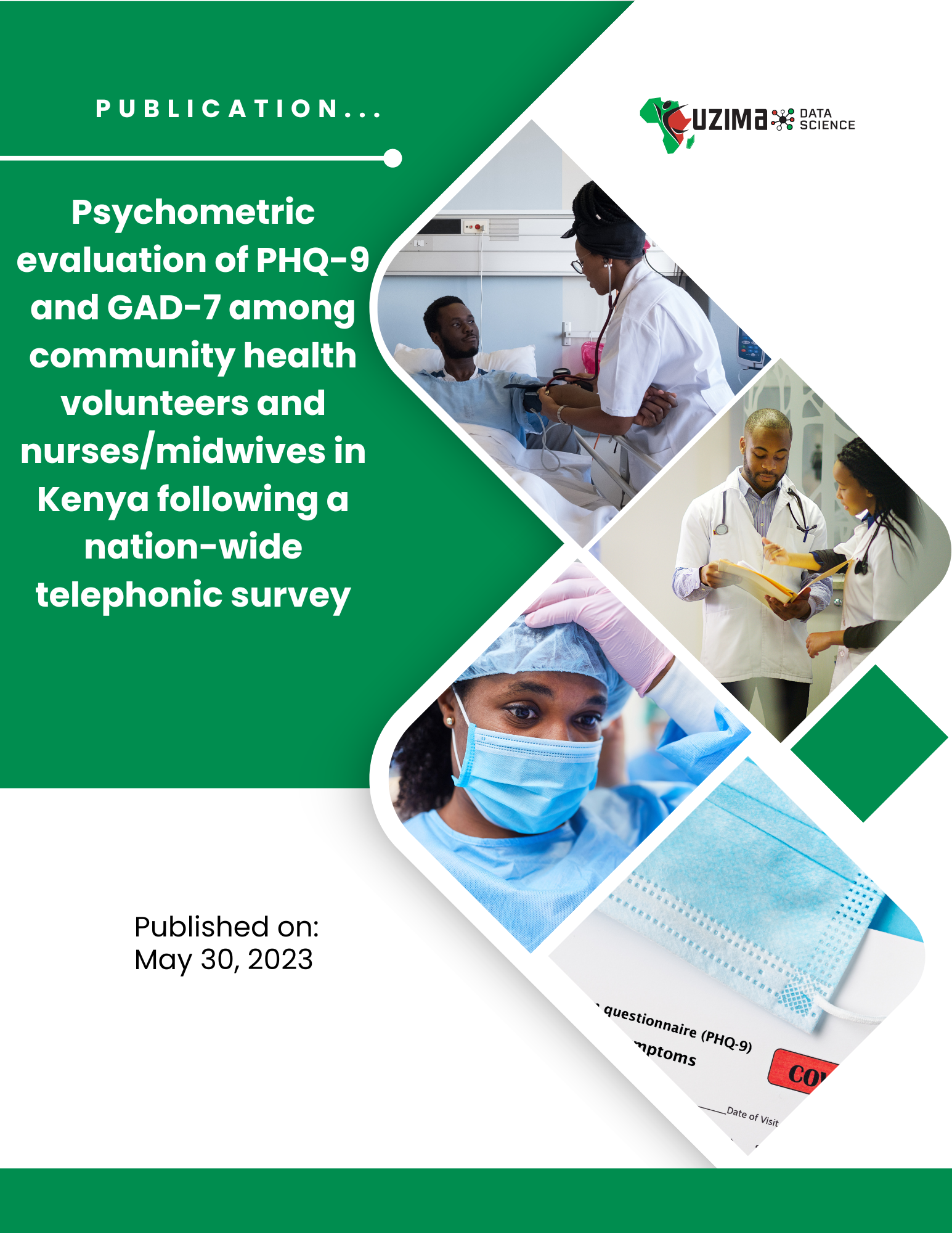
Nurses/midwives and Community Health Volunteers (CHVs) are exposed to chronic stressors putting them at risk of developing mental health problems. This has been exacerbated by the COVID-19 pandemic. There is limited empirical evidence of the burden of mental health problems among health care workers partly due to the lack of adequately standardized and validated measures for use among health care workers in Sub-Saharan Africa. This study aimed to perform the psychometric evaluation of the PHQ-9 and GAD-7 administered to nurses/midwives and CHVs across 47 counties in Kenya.
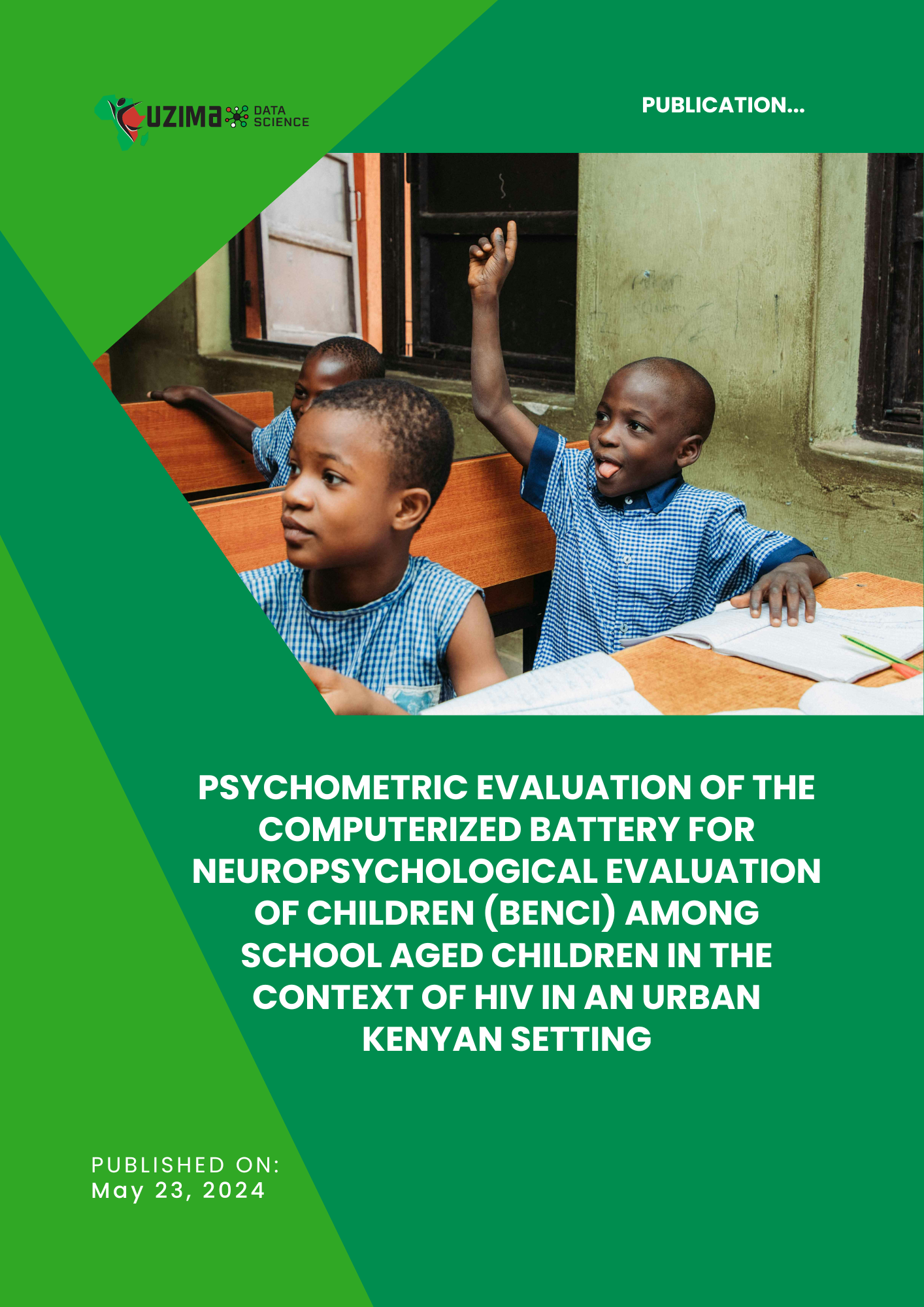
Culturally validated neurocognitive measures for children in Low- and Middle-Income Countries are important in the timely and correct identification of neurocognitive impairments. Such measures can inform development of interventions for children exposed to additional vulnerabilities like HIV infection. The Battery for Neuropsychological Evaluation of Children (BENCI) is an openly available, computerized neuropsychological battery specifically developed to evaluate neurocognitive impairment. This study adapted the BENCI and evaluated its reliability and validity in Kenya.
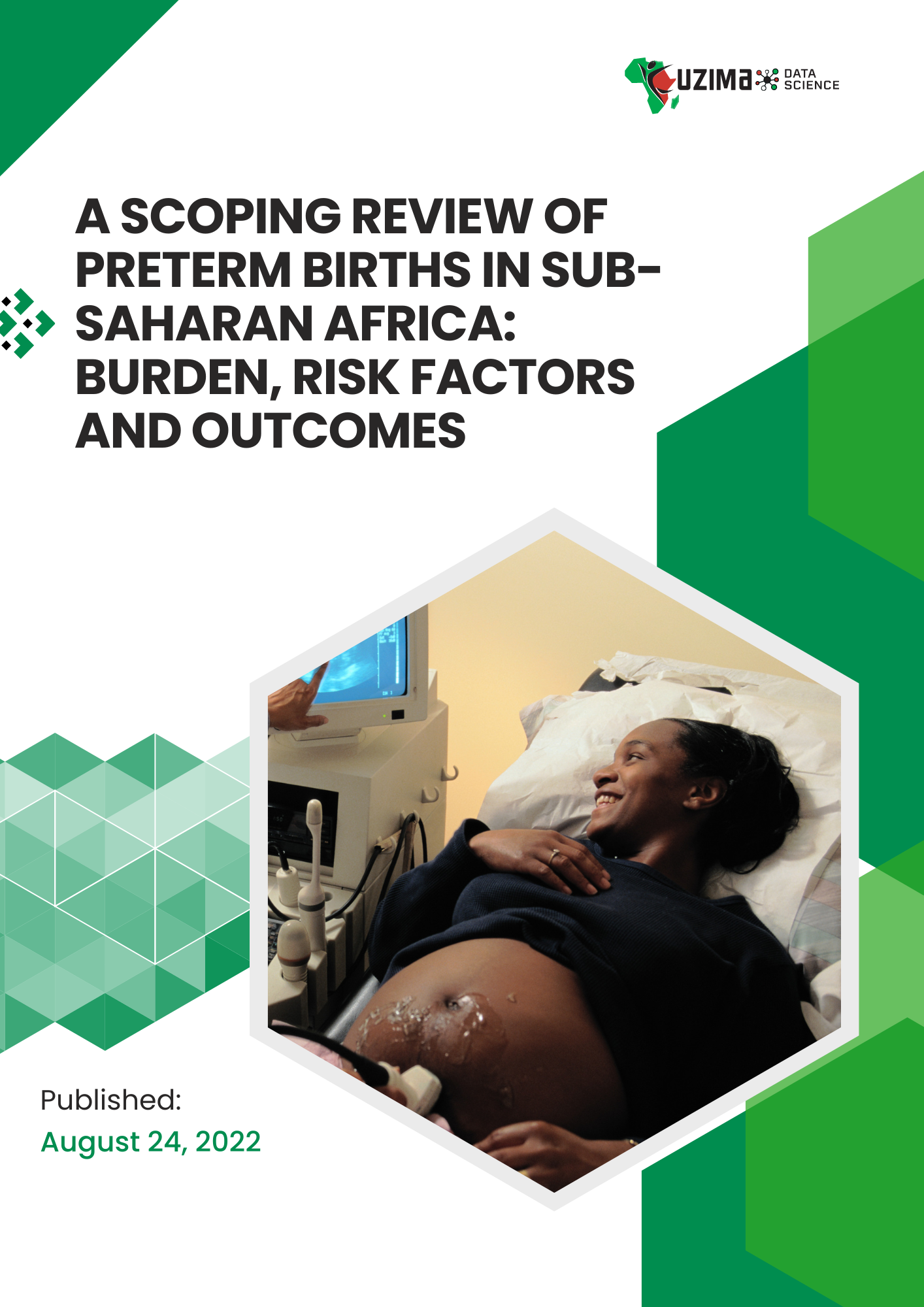
Preterm births (PTB) are the leading cause of neonatal deaths, the majority of which occur in low- and middle-income countries, particularly those in Sub-Saharan Africa (SSA). Understanding the epidemiology of prematurity is an essential step towards tackling the challenge of PTB in the sub-continent. We performed a scoping review of the burden, predictors and outcomes of PTB in SSA.
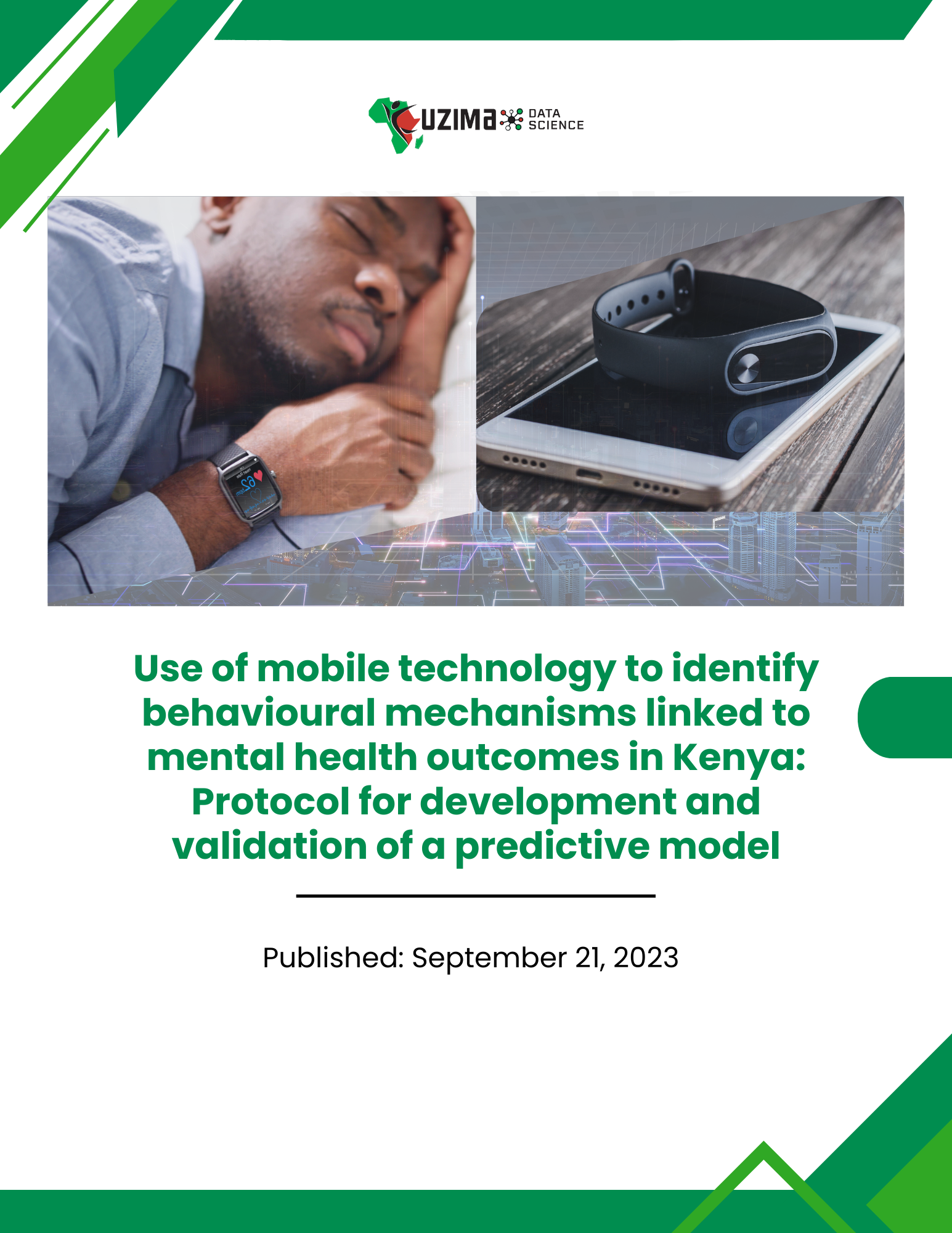
This study proposes to identify and validate weighted sensor stream signatures that predict near-term risk of a major depressive episode and future mood among healthcare workers in Kenya.
Factors associated with COVID-19 vaccine hesitancy (which we define as refusal to be vaccinated when asked, resulting in delayed or non- vaccination) are poorly studied in sub-Saharan Africa and among refugees, particularly in Kenya. Using survey data from wave five (March to June 2021) of the Kenya Rapid Response Phone Survey (RRPS), a household survey representative of the population of Kenya, we estimated the self-reported rates and factors associated with vaccine hesitancy among non-refugees and refugees in Kenya.
Vaccination refusal exacerbates global COVID-19 vaccination inequities. No studies in East Africa have examined temporal trends in vaccination refusal, precluding addressing refusal. We assessed vaccine refusal over time in Kenya, and characterized factors associated with changes in vaccination refusal. We analyzed data from the Kenya Rapid Response Phone Survey (RRPS), a household cohort survey representative of the Kenyan population including refugees. Vaccination refusal (defined as the respondent stating they would not receive the vaccine if offered to them at no cost) was measured in February and October 2021.