

Year:

Community engagement (CE) has been recommended as an important ethical consideration for health research to enhance informed consent and exchange knowledge between researchers and community members. The purpose of this paper is to describe how CE was developed and delivered for the PRECISE prospective pregnancy cohort study in Kenya. PRECISE enrolled pregnant women in antenatal care, followed them up to the postpartum period, and collected data and biological samples to enable the study of placental disorders in sub-Saharan Africa.

Point of care hemoglobin meters play key roles in increasing access to anemia screening in antenatal care especially in settings with limited access to laboratories. We aimed to determine the diagnostic accuracy of a non-invasive spot-check hemoglobin (SpHb) meter, Masimo Rad-67® Pulse CO-Oximeter®, in the diagnosis of anemia in pregnant women attending antenatal care clinics in Kilifi, Kenya.
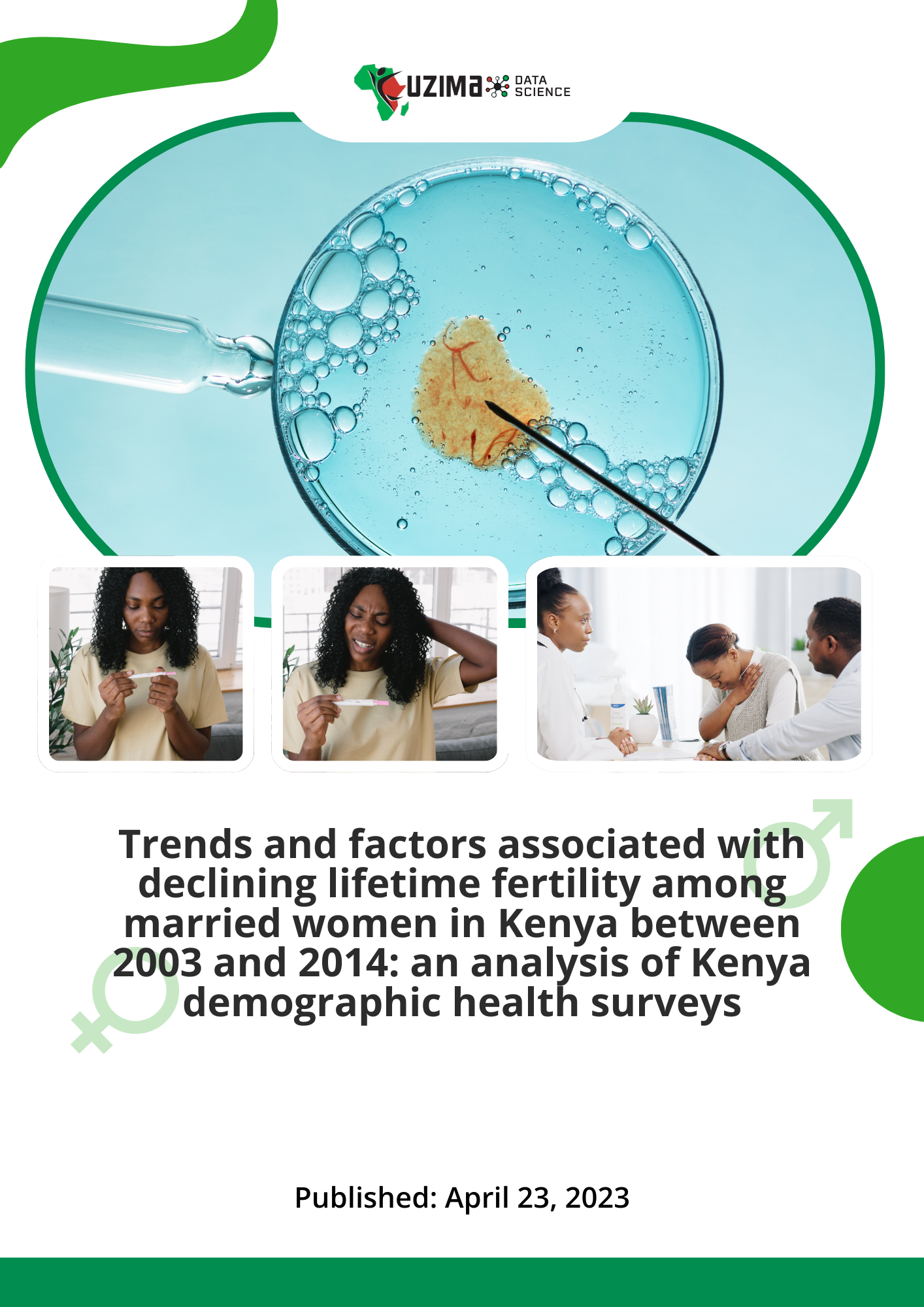
Globally, fertility has declined in the last three decades. In sub-Saharan Africa Including Kenya, this decline started more recent and at a slower pace compared to other regions. Despite a significant fertility decline in Kenya, there are disparities in intra- and interregional fertility. Reduction in lifetime fertility has health benefits for both the mother and child, thus it is important to improve women and children health outcomes associated with high fertility. The study, therefore evaluated the factors associate with change in lifetime fertility among married women of reproductive age in Kenya between 2003 and 2014.
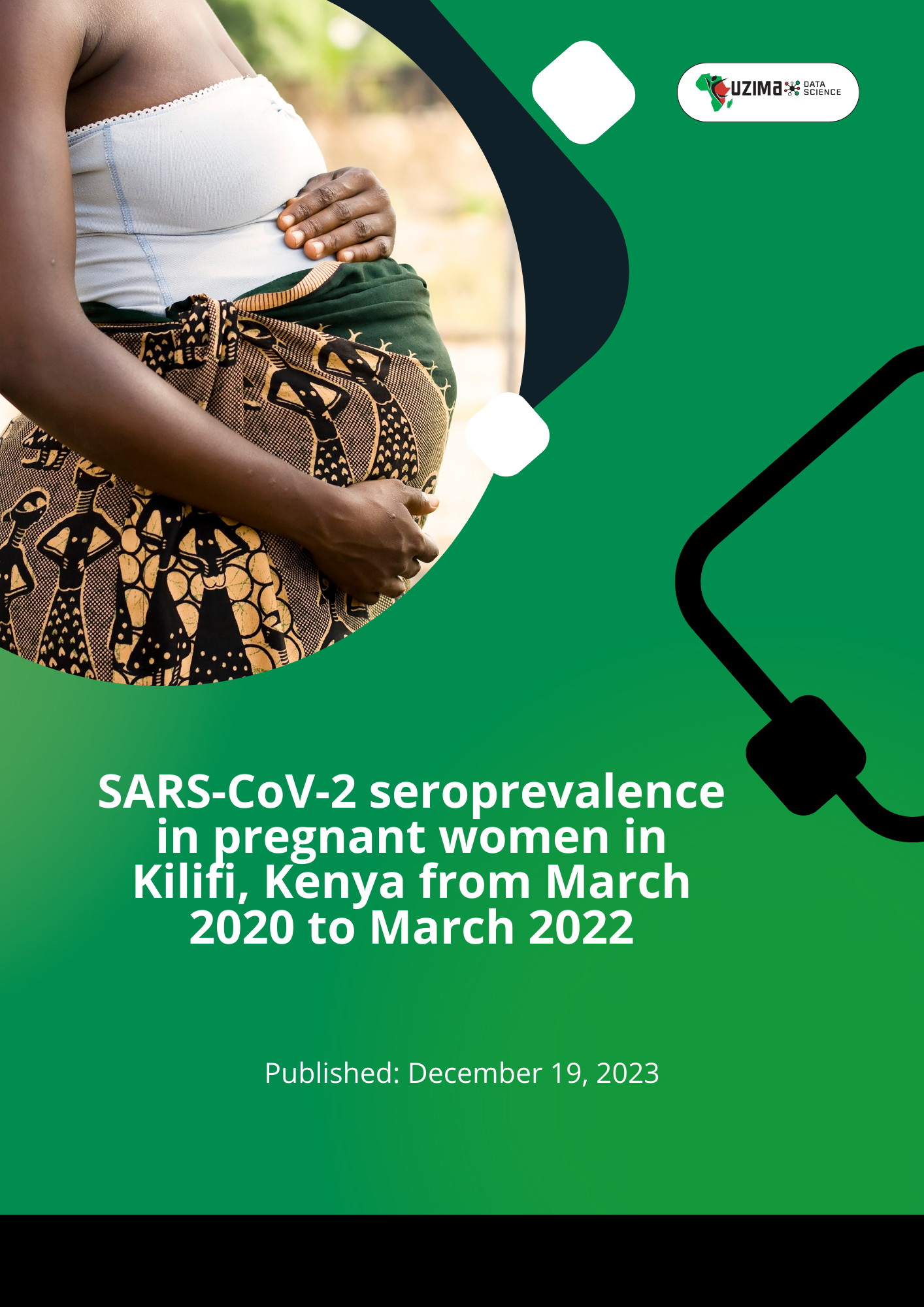
Seroprevalence studies are an alternative approach to estimating the extent of transmission of SARS-CoV-2 and the evolution of the pandemic in different geographical settings. We aimed to determine the SARS-CoV-2 seroprevalence from March 2020 to March 2022 in a rural and urban setting in Kilifi County, Kenya.
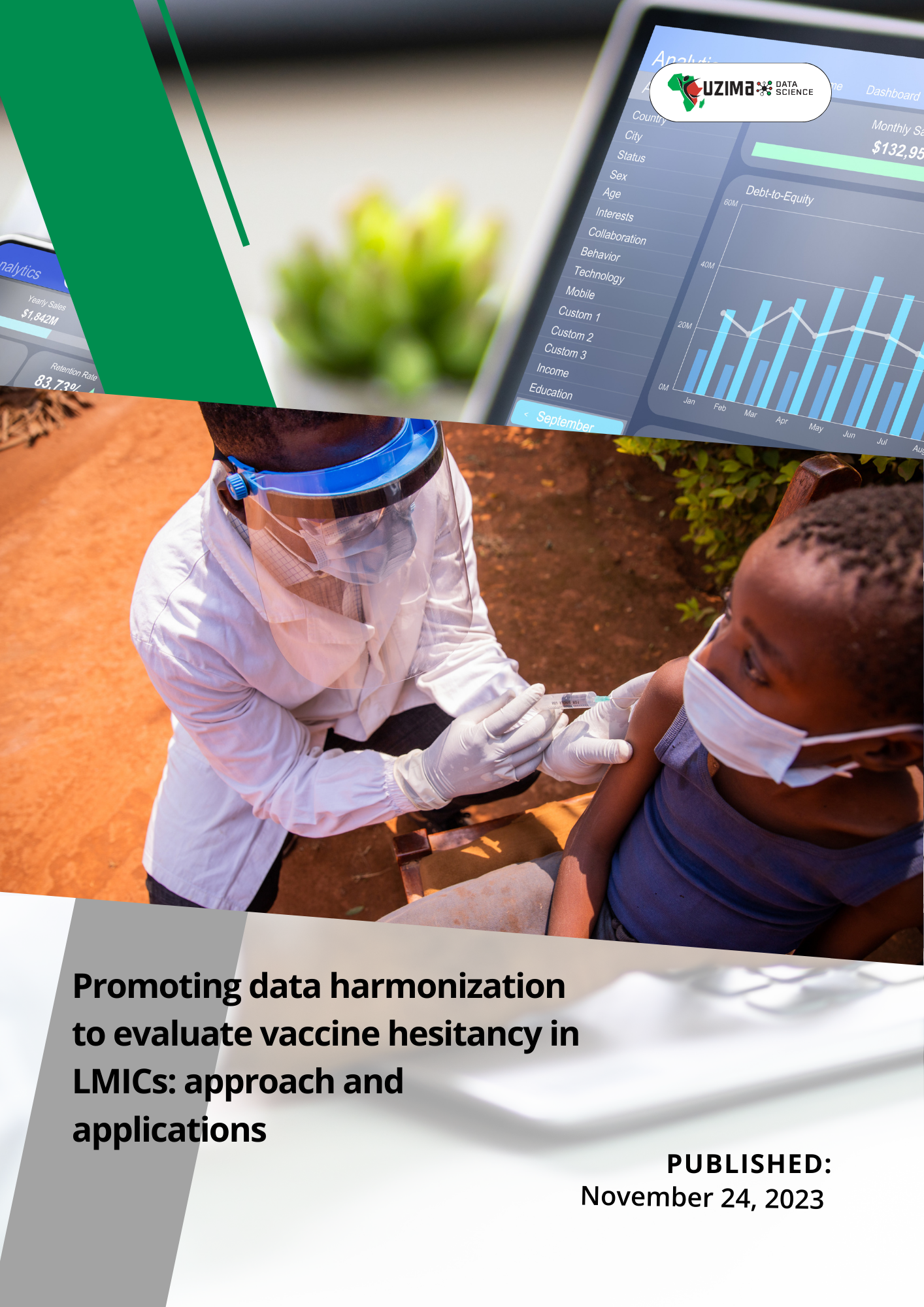
Factors influencing the health of populations are subjects of interdisciplinary study. However, datasets relevant to public health often lack interdisciplinary breath. It is difficult to combine data on health outcomes with datasets on potentially important contextual factors, like political violence or development, due to incompatible levels of geographic support; differing data formats and structures; differences in sampling procedures and wording; and the stability of temporal trends. We present a computational package to combine spatially misaligned datasets, and provide an illustrative analysis of multi-dimensional factors in health outcomes.
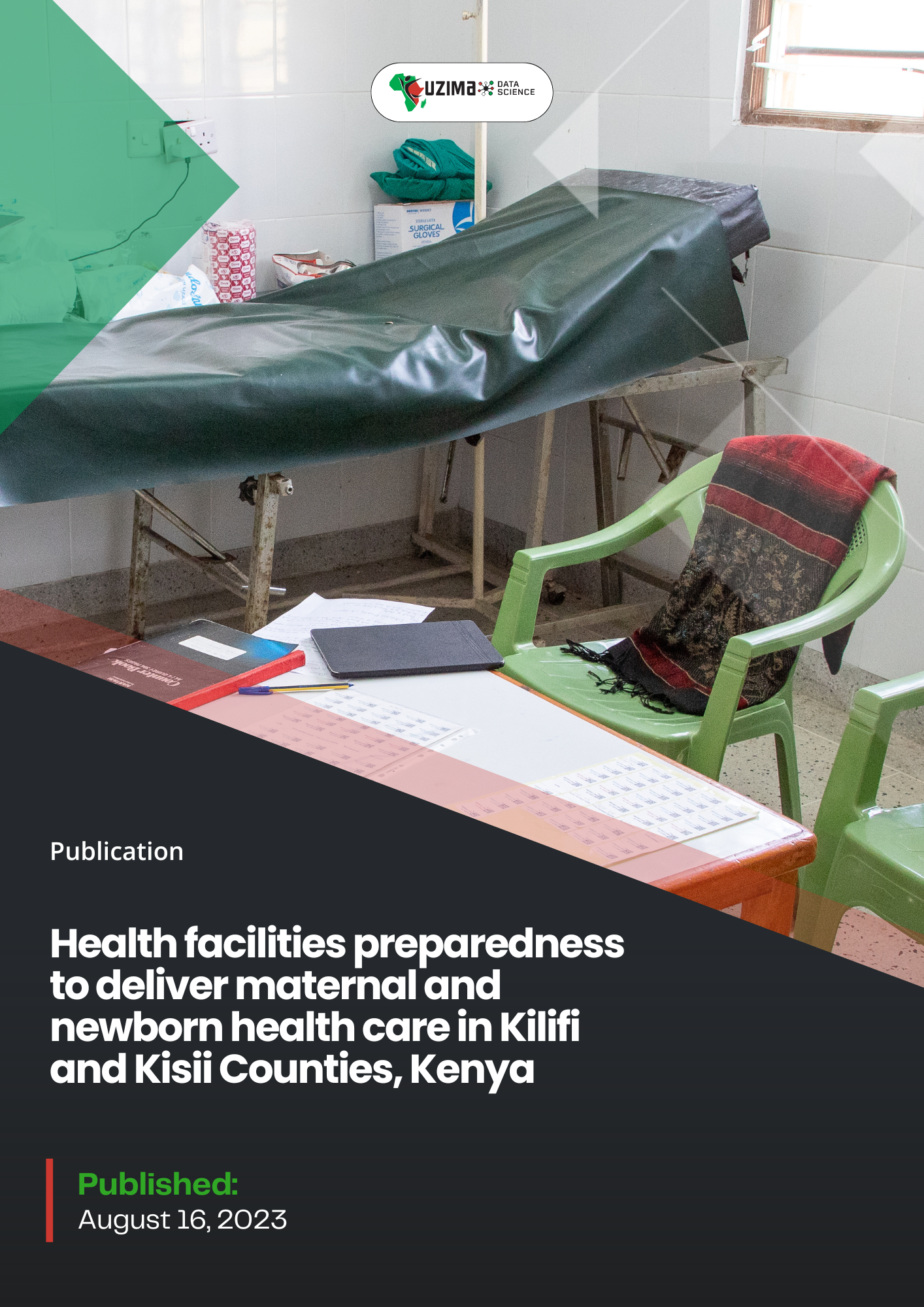
Health facility preparedness is essential for delivering quality maternal and newborn care, minimizing morbidity and mortality by addressing delays in seeking skilled care, reaching appropriate facilities, and receiving emergency care. A rapid assessment of 23 government health facilities in Kilifi and Kisii counties identified poor maternal and newborn indicators in 16 facilities. The Access to Quality Care through Extending and Strengthening Health Systems (AQCESS) project supported these facilities with training, equipment, and referral linkages. This study focuses on facility preparedness of the 16 facilities to deliver maternal and newborn health services, specifically delays two and three at the end of the project implementation.